
 |
This page contains affiliate links. Review the Disclaimer page for more information. |
When I graduated from St. Cloud State University in 1997, I moved to Los Angeles, where I received a crash course in self-awareness and self-acceptance. This experience helped me accept my sexuality and establish a career in technology and education. During these early stages of developing confidence and establishing a sense of self, I became conscious of my hair loss.
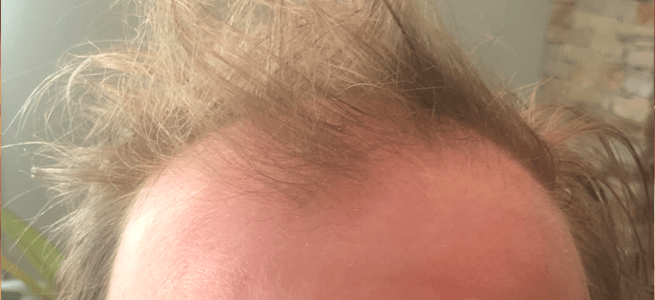
By 2001, I was 27 and constrained to one hairstyle to minimize the appearance of my thinning hair. At this age, more and more people began pointing out my diminishing follicles. Unknowingly to them, their comments began feeding my insecurity. However, significant changes occurred that year, and I couldn’t focus on my blonde tresses. In March, I moved from Los Angeles to Boston for a new job. Then, in October, I met my future husband-to-be at the glamorous Boston Eagle.
By 2003 I was secure in a job and a relationship and decided to attend graduate school. Once again, I had no time or extra money to direct towards my receding hairline. The primary options at this time were Rogaine and Propecia. Both required a lifetime daily regiment and monthly cost that I wasn’t ready to accept or afford. Honestly, my biggest fear was the disclaimers, “you may see increased hair loss in the first few months of treatment.” This scared me. I was already losing my hair, and I didn’t want to lose more. What if it didn’t grow back? What happens when I stop treatment? This was the beginning of my hair loss analysis paralysis.
I feared hair transplants, and never considered this an option. The examples I came across terrified me. Unnatural hair plugs and hairlines were easy targets for gossiping queens. I wasn’t paying for a procedure that would make me look worse and become the butt of others’ jokes. This is still one of my biggest concerns.
Why does discussing a hair transplant or hair loss feel worse than discussing an STD? Why is their a stigma for men who want to take control of their appearance? Their hairline? In hindsight, I regret not taking steps earlier to minimize my hair loss. It was something I was uncomfortable discussing, even with my Doctor.
Unrealistic societal expectations lead to body image issues, depression, anxiety, and other disorders. Some men overcompensate their loss of hair for increased muscular mass, excessive facial hair, or both. Each of these approaches creates a distinct look that few men can achieve. I am not one of those men.
By January 2020, at 46 years old, I still hadn’t taken action. With enough hairspray and proper blow drying techniques, I could shape my hair to look thicker and fuller. Overall, I was comfortable with who I am and how I look. However, by the time I reach my 50s, I know I will not be satisfied. It’s now or never. The COVID-19 lock down provided an excellent opportunity for research and virtual consultations.
On August 13, 2020, I underwent a Follicular Unit Extraction (FUE) of 2,800 hair follicles. To maintain the hair I have, I am taking Finasteride and using Rogaine. I still need to work on eating healthier and becoming more active.
Part of me feels guilty; I am giving into these social expectations. We are judged by our appearance. I can spend my time and money working towards a higher self-acceptance level and defining life on my terms. I have a satisfying career, an incredible husband, and a wonderful family. However, this won’t help me pay the bills, get a job, advance my career, or prepare for retirement.
I’m not ready to give in and give up, and I want to enjoy life on my terms.


 TheHairAndNow.com